
Hi Ground Episode 1: Is SpaceX Actually Going To Do Well?

Will Kellar, CFP®
Will is motivated by the opportunity to serve hardworking people and their financial pursuits, through advocacy, problem solving and great advice. He’s a CERTIFIED FINANCIAL PLANNER™ practitioner who loves the feeling of when our team makes a positive tangible impact in someone's life. He’s also serving as an adjunct professor of Retirement Planning at George Fox University.

Andrew Nelson
Andrew is passionate about diving into the details of organizations and how they serve their employees. Working with companies, increasing the financial literacy of employees and committees and stretching employee benefit dollars are at the core of what Andrew and his team get excited about.
Disclosure:
This material is provided for informational and educational purposes only. It should not be construed as investment, legal, or tax advice, nor does it constitute a recommendation or solicitation to buy or sell any security. Investors should consult with a qualified financial professional before making any investment decisions. Rebalancing and asset allocation strategies do not ensure a profit or protect against loss in declining markets. There is no guarantee that any investment strategy will achieve its objectives. Any references to historical performance, academic studies, or research are based on past data and should not be considered indicative of future results. Past performance is not a guarantee of future outcomes. Advisory services offered through Human Investing, an SEC-registered investment adviser.
Related Articles
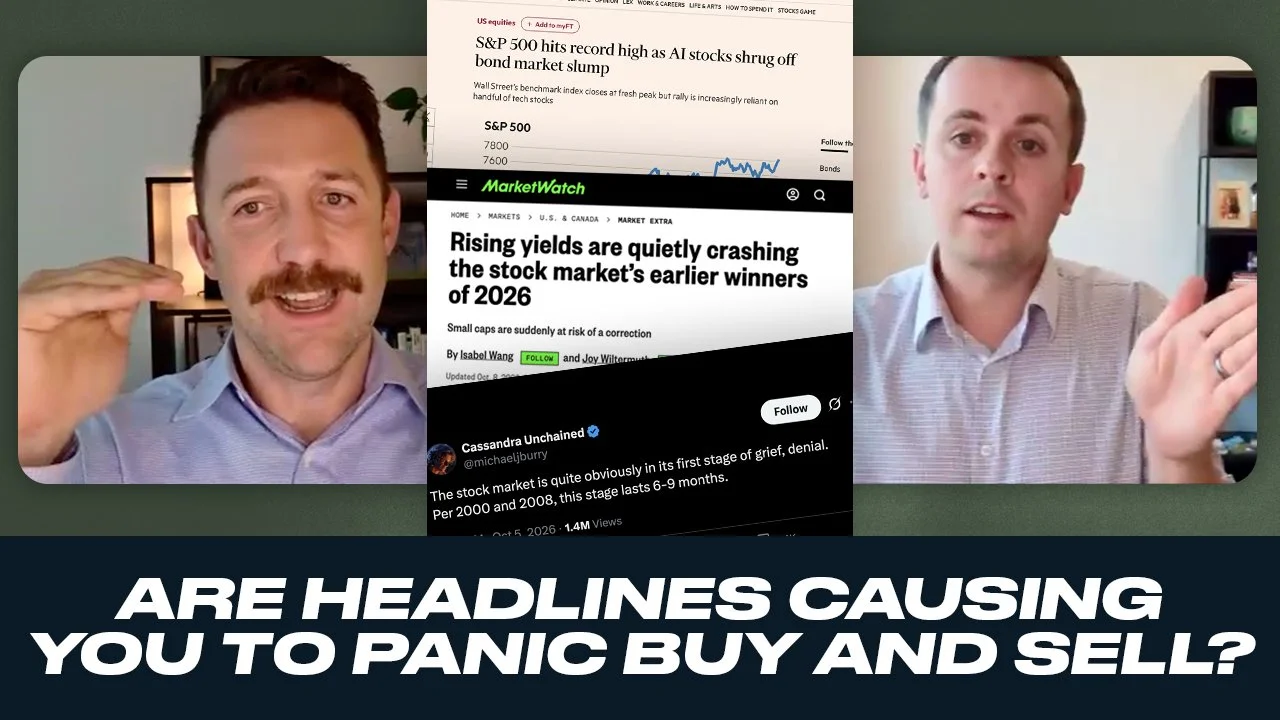



Through July, the S&P 500 has gained roughly 10% including dividends, despite an economic backdrop that seemed to hint otherwise. It’s a reminder that the future rarely unfolds exactly as we think it will. Markets have a way of surprising both optimists and pessimists. That brings us to one of the more interesting stories unfolding beneath the surface this year.

We are halfway through the year, so let's reflect! In this episode, we will compare the World Cup finalists to market performance, Oregon real estate, and the power of sequence risk when you reach retirement.
When prices rise, our spending tends to go down. This week's episode explores the current economic climate, focusing on Personal Consumption Expenditures and the Consumer Price Index.
Questioning if a stock is going to hold up as a worth-while, long-term investment, is normal. Jumping into a newly released IPO because everyone else is, seems risky. Let's talk through SpaceX going public and the history behind other individual stocks.