
Posts tagged andrew nelson
The Bond Market is Changing Retirement Math


Today's bond market may represent the most important shift in retirement strategy in over a decade. To understand why, we need to start with where equities have been. Over the 15 years ending in September 2026, the Vanguard S&P 500 ETF (VOO) generated an annualized return of more than 15%. For investors approaching or already in retirement, those returns may have helped create a welcome problem: their portfolios are larger and potentially more equity-heavy than they once expected.
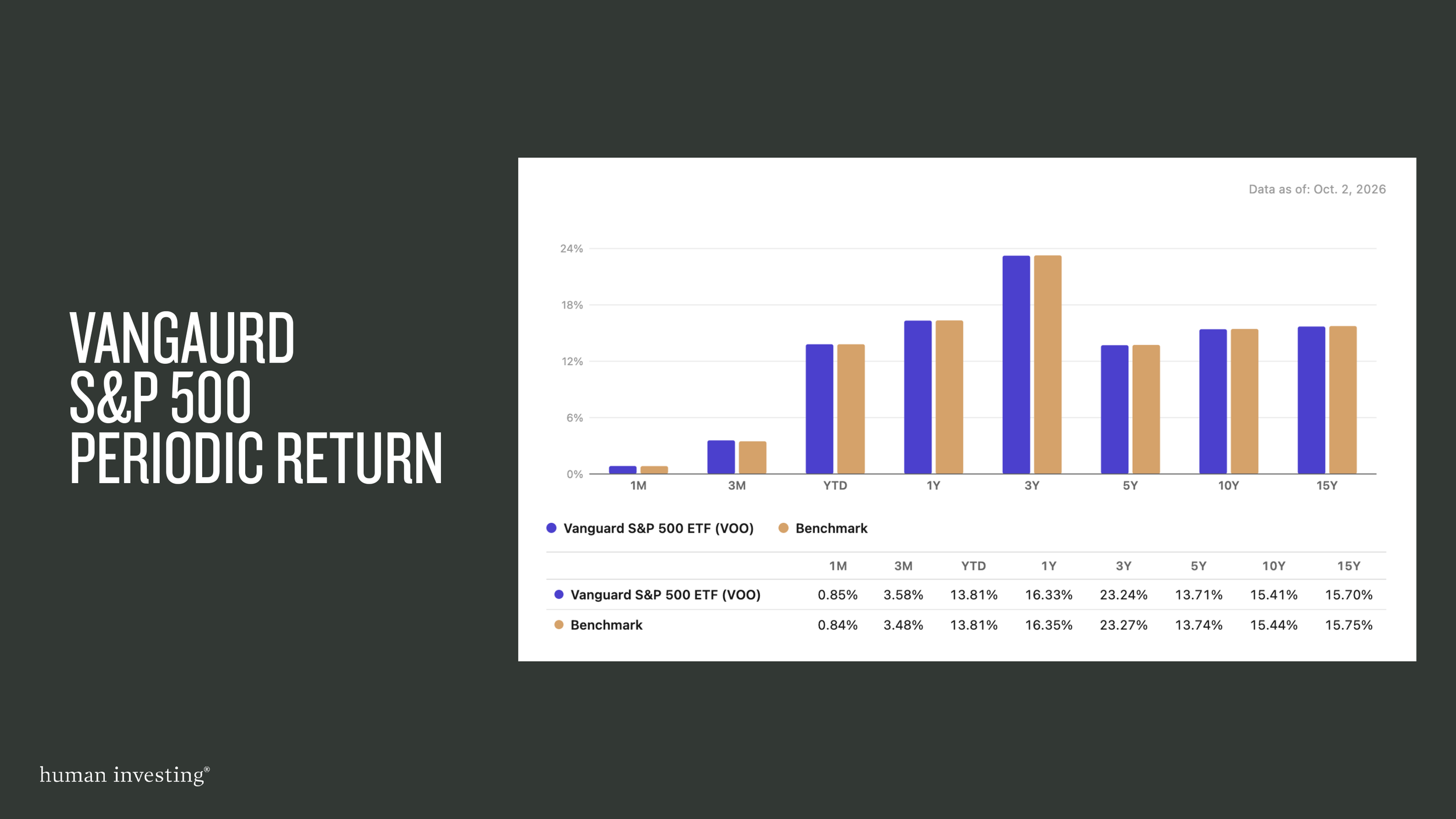
Note: The Benchmark here is the S&P 500. Data courtesy of YCharts.

The reason for an investor's portfolio being potentially over-exposed to equities based on their age could be for one of two reasons.

  1. They intentionally selected to be more aggressive based on their comfort level with risk and economic conditions.

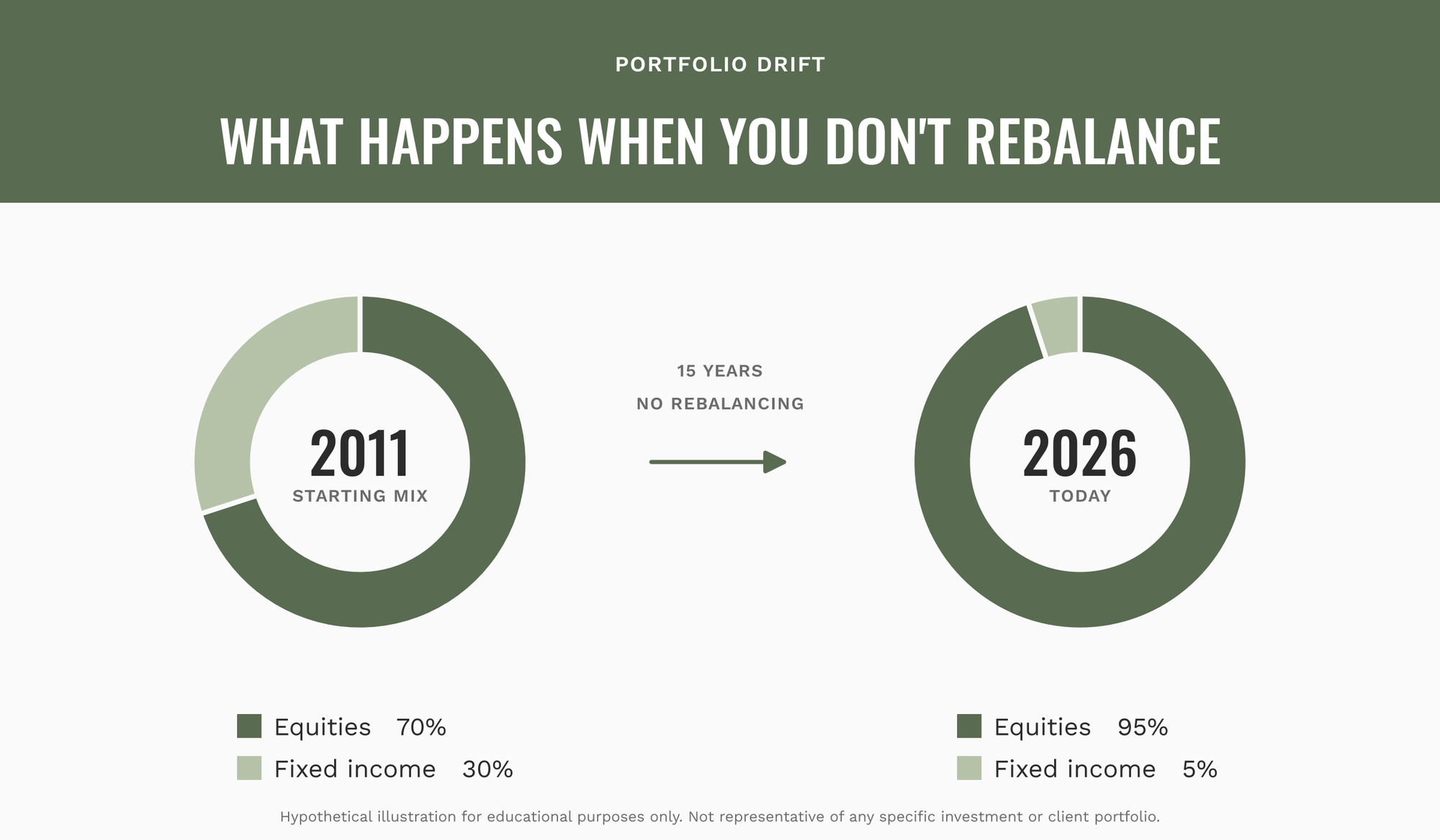
  2. They initially invested their portfolio in a more balanced methodology and did not rebalance their portfolio as equity markets grew. Take a portfolio that was invested in 70% equities and 30% fixed income 15 years ago. That portfolio left without rebalancing is now 95% equities and 5% fixed income in 2026. 
That 15% annualized return from the S&P 500 came with real volatility and its share of drawdowns. For many investors, those moments made it easy to avoid rebalancing. Whether it was COVID 19, peak tariff volatility in 2025, or more recently a steep increase in the price of oil with the closing of the Strait of Hormuz, there were plenty of reasons to hold tight.

The point being risk feels very different after you’ve been rewarded for taking it on for more than a decade.

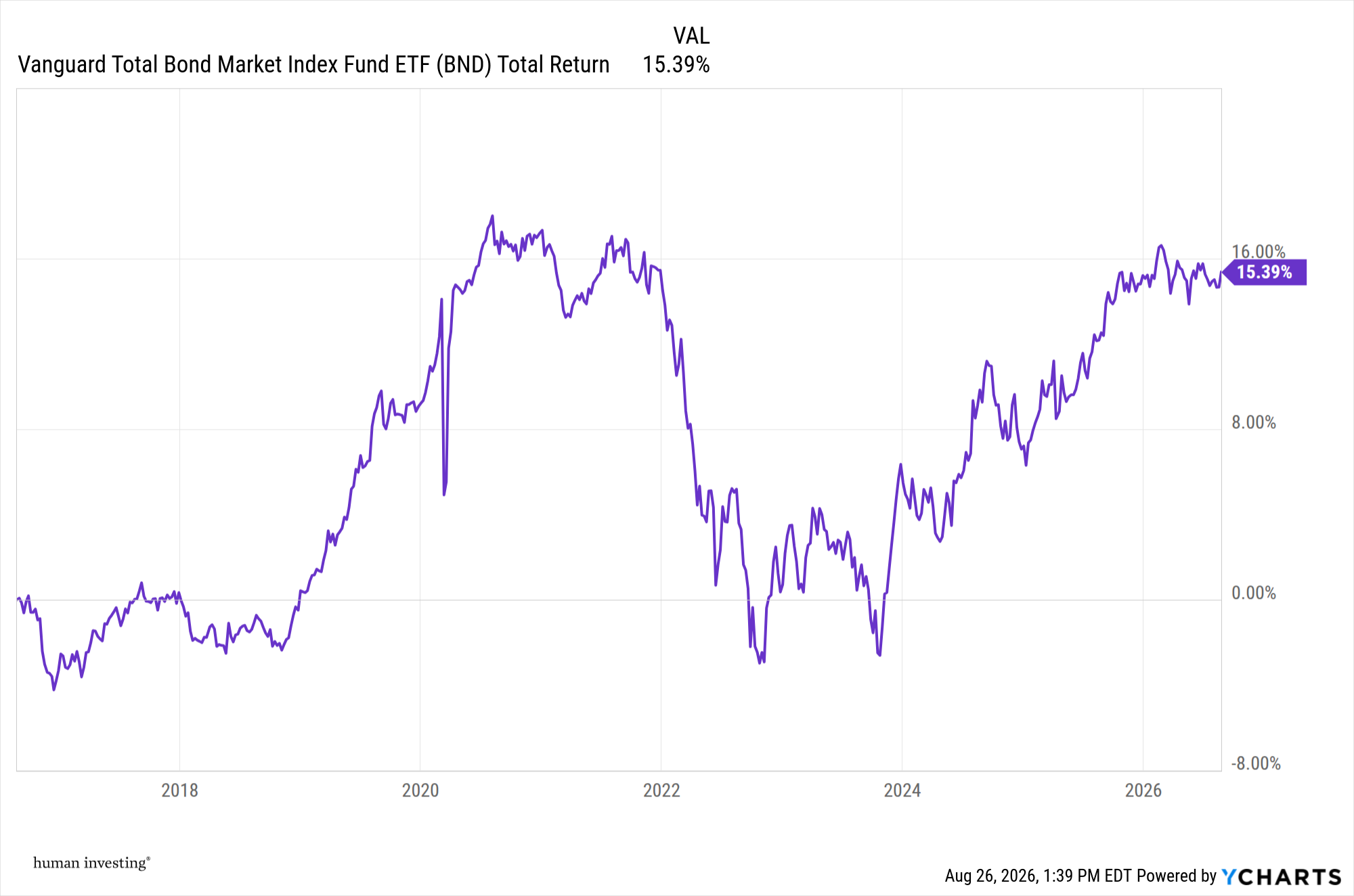
While stocks were soaring, bonds went through a different period

For much of the 2010’s interest rates were low by historical standards. Then during the pandemic Treasury yields fell to extraordinary lows. For someone building a retirement portfolio, this presented a challenge. Imagine your financial plan required roughly a 5% rate of return to be considered “successful”. If high-quality bonds were yielding 1-2%, investors needed to find growth from somewhere else. Stocks were a great source of growth over the last 15 years, but we can never count on markets to repeat themselves.

One lesson our team applied during these years, and one we regularly enforce with clients, is that every financial plan has an implicit return hurdle. The lower the expected return from the conservative portion of a portfolio, the more work the growth portion of the portfolio has to do. Today that equation looks different.

The Bond Market Has Changed Dramatically & It’s Changing Retirement Math

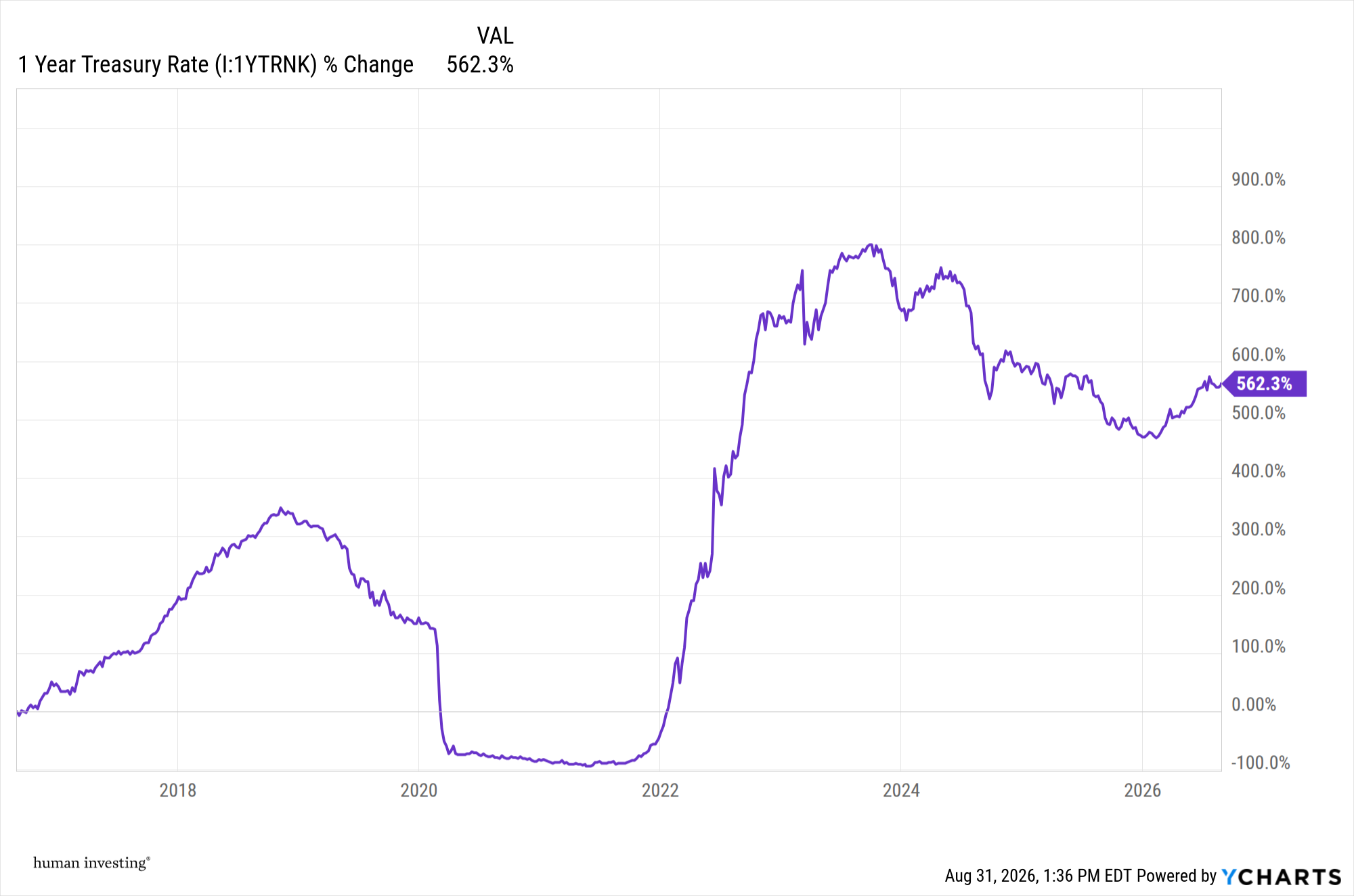
For investors looking to rebalance funds away from equities or cash and into bonds, it’s important to recognize that today’s starting point for the bond market is fundamentally different than it was for much of the past 15 years.  For a retiree, the important takeaway isn't why rates moved from below 1% to above 5%. It's what those higher yields mean for the role bonds can play in a retirement portfolio. Bonds can once again contribute meaningfully toward achieving your financial goals. And importantly, they can do so while playing the traditional roles we'd expect from fixed income: generating income, providing diversification and generally taking less risk than equities.
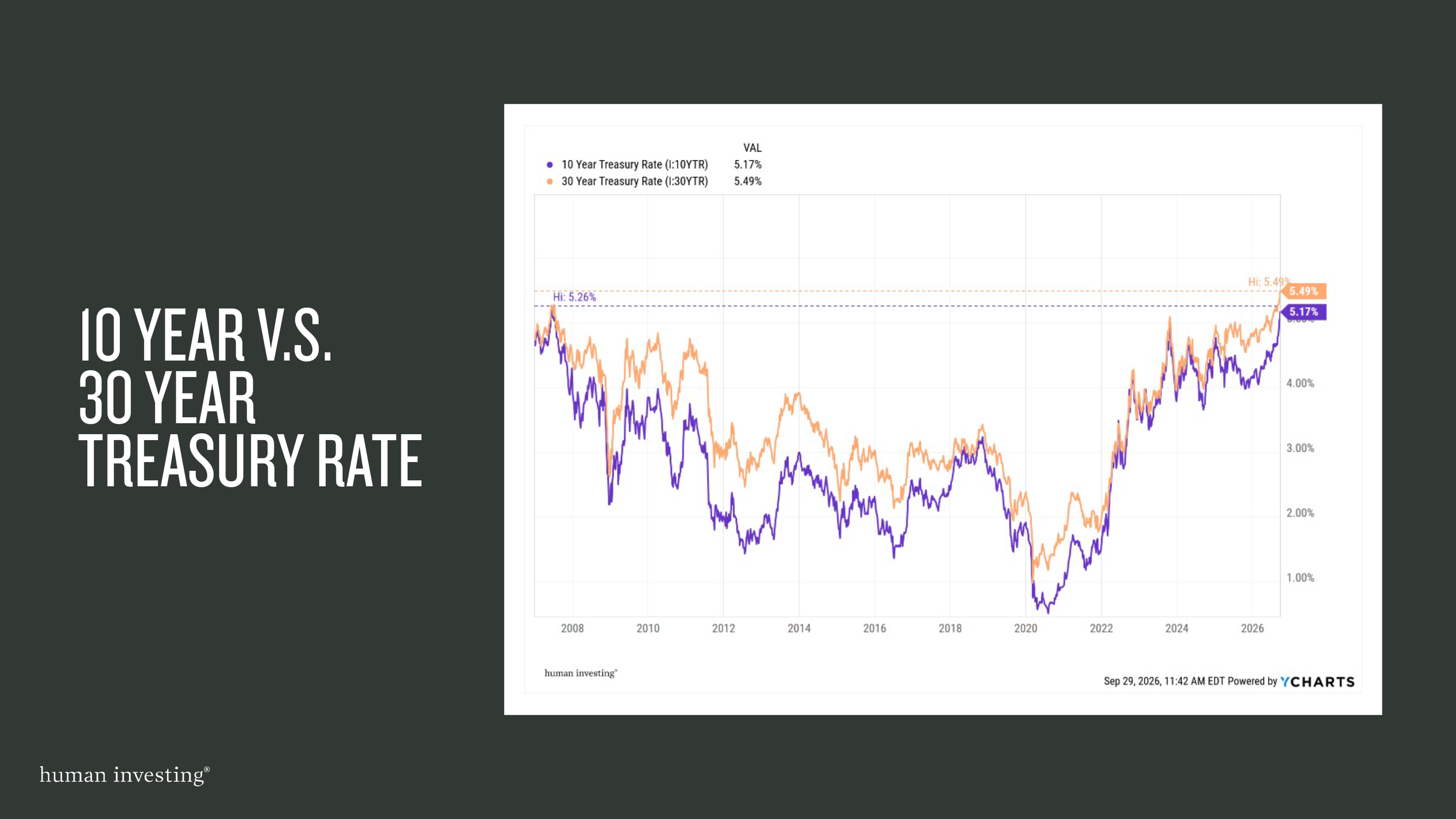
Data courtesy of YCharts.

How does this change the Math for retirees? Let’s assume that someone has completed their financial plan. After accounting for spending, social security, inflation, taxes, longevity, and other goals the plan indicates that their portfolio needs to earn between 5.25% and 5.5% over the long run for their plan to succeed. This leads to the key question:

“How much risk do I need to take to reasonably pursue the return this plan requires?”

In 2020, answering that question was difficult. With high-quality bonds offering very low yields, a portfolio targeting a moderate return generally needed to rely more heavily on equities for growth.
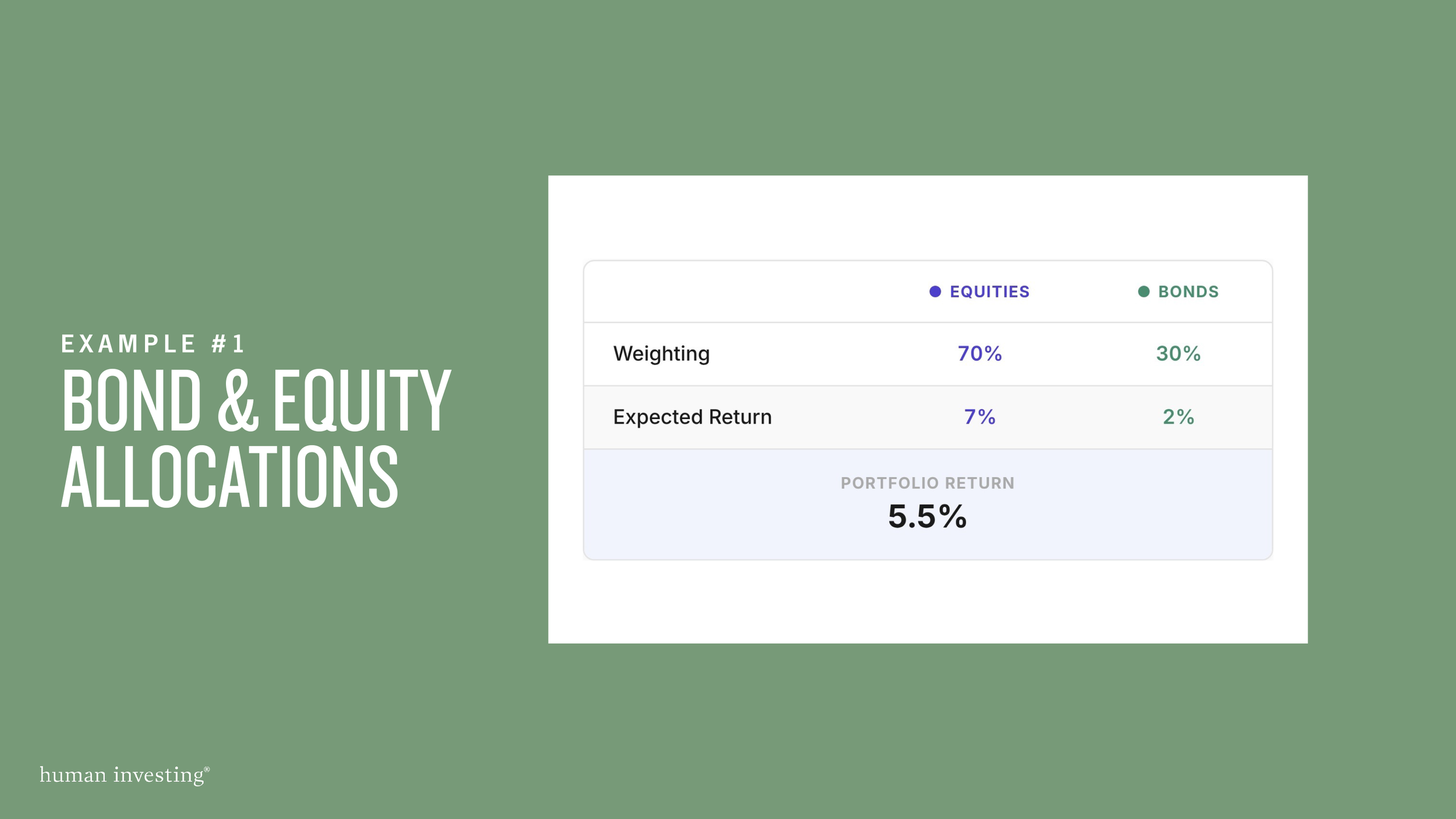
All numbers used in the above table are examples and should be used as educational material, not advice. (Nerd Wallet)

Today, higher starting bond yields allow us to potentially accomplish two things at once:

  • Use a more conservative expected return assumption for equities rather than relying on the exceptional returns of the recent past.

  • Increase the bond allocation while still maintaining an expected portfolio return consistent with the financial plan.
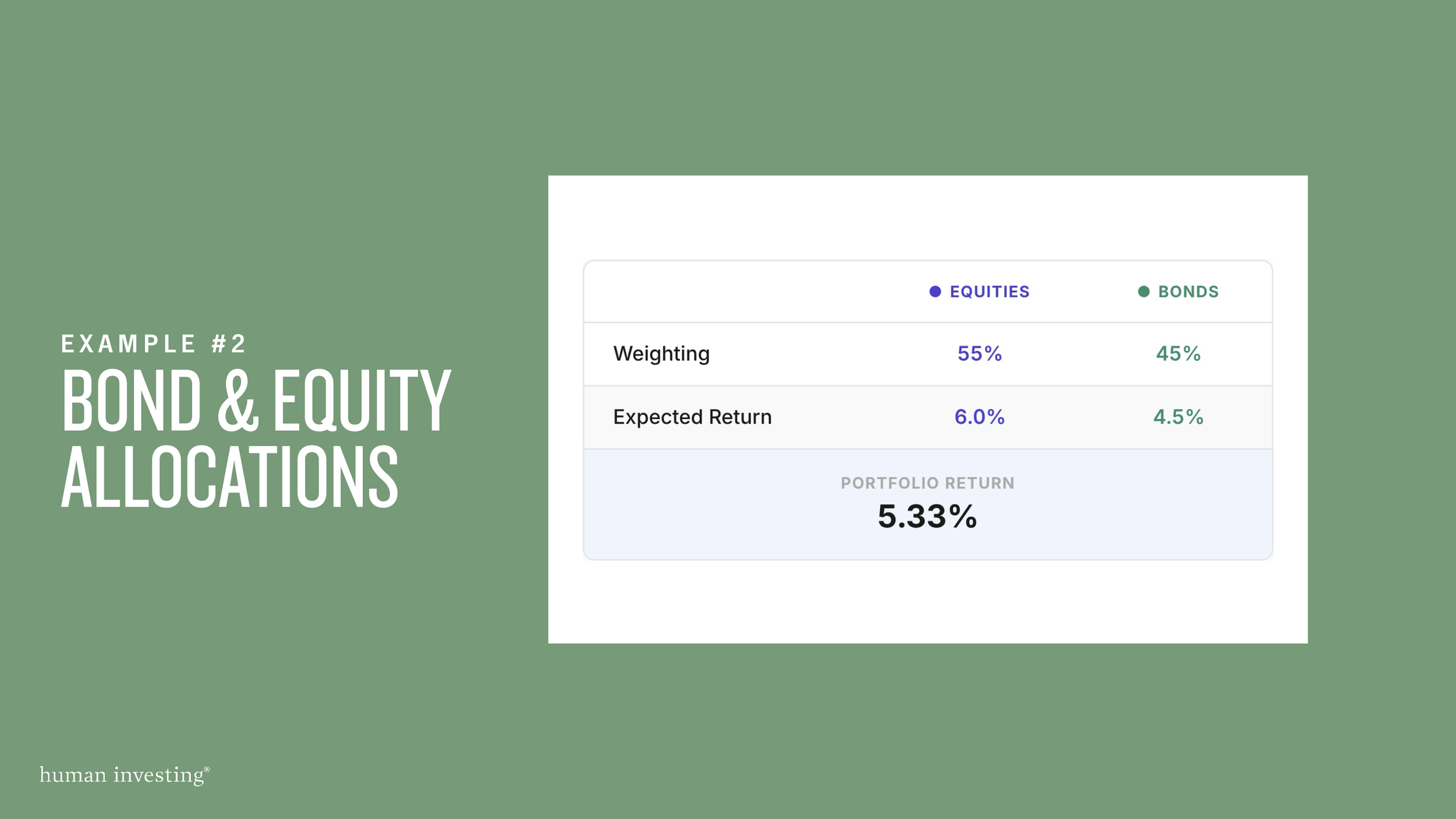
All numbers used in the above table are examples and should be used as educational material, not advice. (Nerd Wallet)

The point isn't that retirees no longer need stocks. It's that bonds can now contribute considerably more toward the portfolio's return objective, potentially reducing how much equity risk is required.

Today's Higher Yield Also Provides Something Bonds Didn't Have in 2020: A Cushion

As a reminder, when rates rise, existing bond prices fall, and when rates fall existing bond prices rise. That’s why 2022 was such a painful year for bond investors. But there's another part of the equation that sometimes gets overlooked: the income you're receiving from the bond.

In the chart below, Fidelity looks at the Bloomberg U.S. 7–10 Year Treasury Index and estimates the effect of a 100-basis-point (or 1-percentage-point) move in yields. August 2020 shows that if at that time rates went up 1% the index would fall 7.2% and if rates decreased 1% it would return a positive 8.2%.

Compare that to today where the starting yield is 5% where if rates increase 1% the index would decrease 1.9% vs. if rates decrease by 1% the index would increase 11.9%.
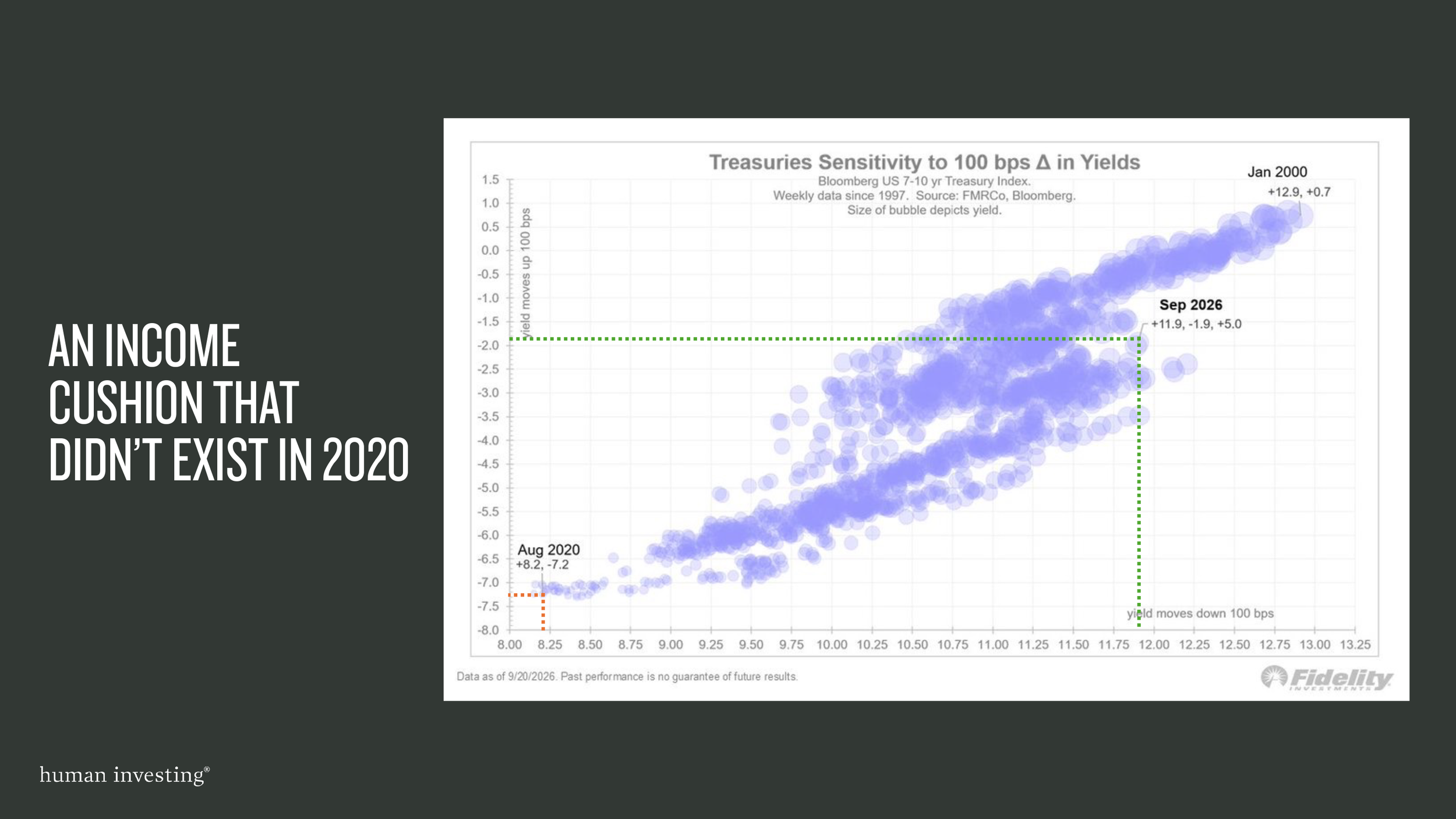
This scenario occurs when the investor is starting with considerably more yield. Higher yields don't eliminate interest-rate risk. But they change the starting point. When yields were near zero, there was very little income available to offset falling bond prices. With yields around 5%, investors begin with considerably more income working in their favor. If rates decline, bond investors may benefit from both the income they are receiving and price appreciation.

This is by no means a prediction of where interest rates are heading. The key point is that the starting economics of owning bonds are considerably different today then is was at any point over the last 15 years.

So, What Now?

A few closing thoughts for investors considering what this changing environment means for their portfolio.

This post is not a call to get out of stocks. My hope is that this post allows investors to review their portfolio and take inventory of their allocation. Reducing risk because you think the stock market is about to fall is market timing. Reducing risk because your financial plan no longer requires you to take as much risk is financial planning. This post is asking you to consider the latter.

For individuals nearing or already in retirement, the consequences of investment risk are also different than they were earlier in life. For someone who is 35 and accumulating assets, volatility can actually be useful. They're continuing to buy investments and have decades before they'll need the money. The equation changes as retirement approaches. A significant market decline during the first few years of retirement can be particularly damaging because an investor may simultaneously be experiencing investment losses and withdrawing money from the portfolio to fund their lifestyle. That's when the amount of risk you take and the risk you actually need to take, becomes increasingly important.

Don’t start with your investment allocation; start with your plan. We have an amazing team of CFP’s at Human Investing who remind me of this frequently.

Instead of starting with questions like:

"Should I own 60% stocks?"

"Should I move from 70/30 to 60/40?"

"Are bonds attractive?"

"Is the stock market overvalued?"

Start with one step earlier: What does my money need to accomplish, and what rate of return does my financial plan require to get me there?

Once you understand that number, many of the other questions become easier to answer.

The goal of retirement investing isn't to earn the highest return possible. It's to earn the return necessary to accomplish your goals while taking an appropriate amount of risk along the way.

After 15 years of strong equity returns and a dramatic change in the bond market, this may be an especially good time for pre-retirees and retirees to revisit that calculation.


Disclosure: Human Investing is an SEC-registered investment adviser. Registration does not imply a certain level of skill or training. This content is for informational and educational purposes only and does not constitute personalized investment advice or a recommendation. Past performance is not indicative of future results. All investments carry risk, including potential loss of principal. Readers should consult with a qualified professional regarding their specific financial situation.


 

Related Articles

Hi Ground Episode 8: Sports Cards, Jerseys, and Serious Money
 

E-mail us your questions, comments, and your childhood attic finds: higroundpodcast@gmail.com

Episode 8 show notes

Part 1: Part 1: Collectibles as an Asset Class

  • Post, J.J. “Joe Montana Super Bowl XXIV jersey fetches record price” ESPN, 13 August 2026 [Article]

  • Holder, Larry. “What’s working in the sports collectibles world: Industry leaders share what they’re seeing” The Athletic, 6 August 2026 [Article]

  • Burrows, Benjamin. “CardVault by Tom Brady adds investors including Aaron Judge, Jay-Z, Connor McDavid” The Athletic, 13 August 2026 [Article]

Part 2: Local Real Estate Updates

  • U.S. Bank. U.S. Bank 2026 Wealth Report, 2026 [Report]


Part 3: Local Recs

  • The Alley Cards and Collectibles, Lake Oswego, Oregon [Link]

  • E.Z. Orchards, Salem, Oregon [Link]


Disclosure:
This material is provided for informational and educational purposes only. It should not be construed as investment, legal, or tax advice, nor does it constitute a recommendation or solicitation to buy or sell any security. Investors should consult with a qualified financial professional before making any investment decisions. Rebalancing and asset allocation strategies do not ensure a profit or protect against loss in declining markets. There is no guarantee that any investment strategy will achieve its objectives. Any references to historical performance, academic studies, or research are based on past data and should not be considered indicative of future results. Past performance is not a guarantee of future outcomes. Advisory services offered through Human Investing, an SEC-registered investment adviser.


Related Articles

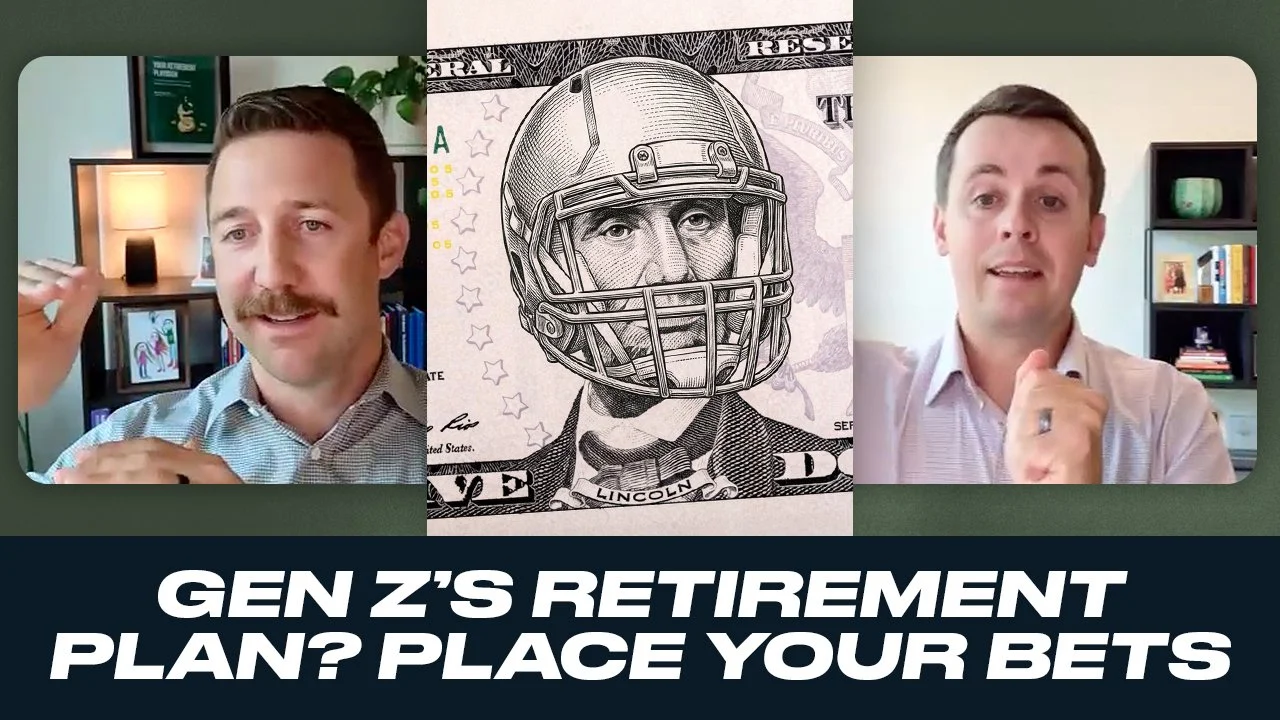
Hi Ground Episode 7: Gen-Z's Retirement Plan? Place Your Bets
 

E-mail us your questions, comments, and bad sports bet breaks: higroundpodcast@gmail.com

Episode 7 show notes

Part 1: Sports Betting Rush

  • Song, Zijia and Amponsah, Michelle. “Gen Z Is Moving Money From Stocks to Sports Betting in Wealth Plans” Bloomberg, 12 August 2026 [Article]

  • Bloomberg Originals. “Why Gen Z Is Gambling With Its Future” YouTube, uploaded by Bloomberg Originals, 10 July 2026 [Video]

  • Northwestern Mutual. “Planning & Progress Study 2026” Northwestern Mutual, 2026 [Report]


Part 2: Becoming a 401(k) Millionaire

  • Picchi, Aimee. “Sturdy stock market mints a record number of 401(k) millionaires” CBS News, 4 September 2026 [Article]

  • Fuhrmans, Vanessa. “American Workers Are Staying Put” Wall Street Journal, 9 September 2026 [Article]

  • Human Investing Retirement Contribution by Decade Calculator [Link]

  • Becoming a 401(K) Millionaire by Peter Fisher [Link]


Part 3: Local Recs

  • Swan Island Dahlias in Canby, OR [Link]

  • Hood to Coast Relay [Link]


Disclosure:
This material is provided for informational and educational purposes only. It should not be construed as investment, legal, or tax advice, nor does it constitute a recommendation or solicitation to buy or sell any security. Investors should consult with a qualified financial professional before making any investment decisions. Rebalancing and asset allocation strategies do not ensure a profit or protect against loss in declining markets. There is no guarantee that any investment strategy will achieve its objectives. Any references to historical performance, academic studies, or research are based on past data and should not be considered indicative of future results. Past performance is not a guarantee of future outcomes. Advisory services offered through Human Investing, an SEC-registered investment adviser.


Related Articles

Hi Ground Episode 6: Time to Nerd Out. Bonds Are Having A Moment
 

E-mail us your questions, comments, and if you have a blue polo too: higroundpodcast@gmail.com

Episode 6 show notes

Part 1: Why Are Bonds Acting Up?

  • Goldfarb, Sam and Rubin, Richard. “Bonds Are Getting Hammered, and Wall Street Says the Rout Won’t End Anytime Soon” Wall Street Journal, 18 August 2026 [Article]

Part 2: Where Do Bonds Fit?

  • Kellar, Will. “Managing Your Finances With The Three Bucket Approach” Human Investing Journal, 10 June 2025 [Article]


Part 3: Parking ‘Safe’ Dollars

  • Gottfried, Miriam. “Wealth Management Has a $3 Trillion Problem: Investors Are Keeping Too Much Cash” Wall Street Journal, 12 August 2026 [Article]

 
  • Damodaran, Aswath. “Historical Returns on Stocks, Bonds, Real Estate and Gold.” Stern School of Business at New York University. 1 August 2026. [Database]

  • Chilkoti, Avantika and Kruger, Daniel. “Some Investors Had Hunch Yields Were About to Fall” Wall Street Journall, 9 June 2019 [Article]


Part 4: Local Recs

  • Portland Annual Swift Watch [Link]

  • LPGA The Standard Classic [Link]


Disclosure:
This material is provided for informational and educational purposes only. It should not be construed as investment, legal, or tax advice, nor does it constitute a recommendation or solicitation to buy or sell any security. Investors should consult with a qualified financial professional before making any investment decisions. Rebalancing and asset allocation strategies do not ensure a profit or protect against loss in declining markets. There is no guarantee that any investment strategy will achieve its objectives. Any references to historical performance, academic studies, or research are based on past data and should not be considered indicative of future results. Past performance is not a guarantee of future outcomes. Advisory services offered through Human Investing, an SEC-registered investment adviser.


Related Articles

Hi Ground Episode 5: The Economy, Staying Balanced, and Hot Dogs?
 

E-mail us your questions, comments, and hot dog stories: higroundpodcast@gmail.com

Episode 5 show notes

Part 1: The Economy vs. Stock Market

  • Heard on the Streets Staff. “Markets Rally on Surprise U.S. Job Losses” Wall Street Journal, 7 August 2026 [Article]

  • Mutikani, Lucia. “US suffers unexpected job losses in July, markets dial back rate hike expectations” Reuters, 7 August 2026 [Article]

  • Michael Burry 2023 “Sell” [Link]

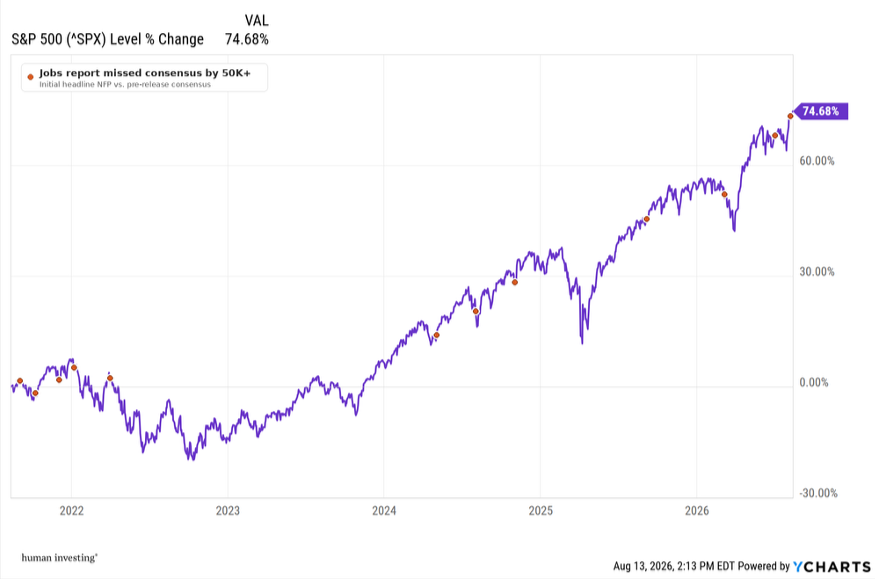
  • Chart: S&P 500 % Change Over Previous 5-years


Part 2: $100 Hot Dogs & Investing Behavior

  • Chandler, Adam. “The Rise of the $100 Hot Dog” Wall Street Journal, 8 August 2026 [Article]

  • Lake, Sydney. “Costco CEO promises the $1.50 hot dog isn’t going away: The price will not change as long as I’m around” Fortune, 4 July 2026 [Article]

  • Understanding ERISA Diversification [Link]

  • “The Real Cost of Your Morning Coffee” Human Investing, 22 May 2015 [Article]

Part 3: Local Recs

  • Hot Mama Salsa Tortilla Chips [Link]

  • Farmer Johns Produce & Nursery, McMinnville OR [Link]


Disclosure:
This material is provided for informational and educational purposes only. It should not be construed as investment, legal, or tax advice, nor does it constitute a recommendation or solicitation to buy or sell any security. Investors should consult with a qualified financial professional before making any investment decisions. Rebalancing and asset allocation strategies do not ensure a profit or protect against loss in declining markets. There is no guarantee that any investment strategy will achieve its objectives. Any references to historical performance, academic studies, or research are based on past data and should not be considered indicative of future results. Past performance is not a guarantee of future outcomes. Advisory services offered through Human Investing, an SEC-registered investment adviser.


Related Articles

Hi Ground Episode 4: The Chase, The Crash, & Investing Sirens
 

E-mail us your questions, comments, and investing sirens: higroundpodcast@gmail.com

Episode 4 show notes

Part 1: The Allure of the Gamble

  • “'I couldn't breathe': South Korea's frenzied stock trading exposes margin loan risks.” Reuters, 19 July 2026 [Article]

  • The Frame by Samsung [Link]

  • Thaler, Richard. Johnson, Eric. “Gambling With the House Money and Trying to Break Even: The Effects of Prior Outcomes on Risky Choice.” Research Gate, June 1990 [Article]

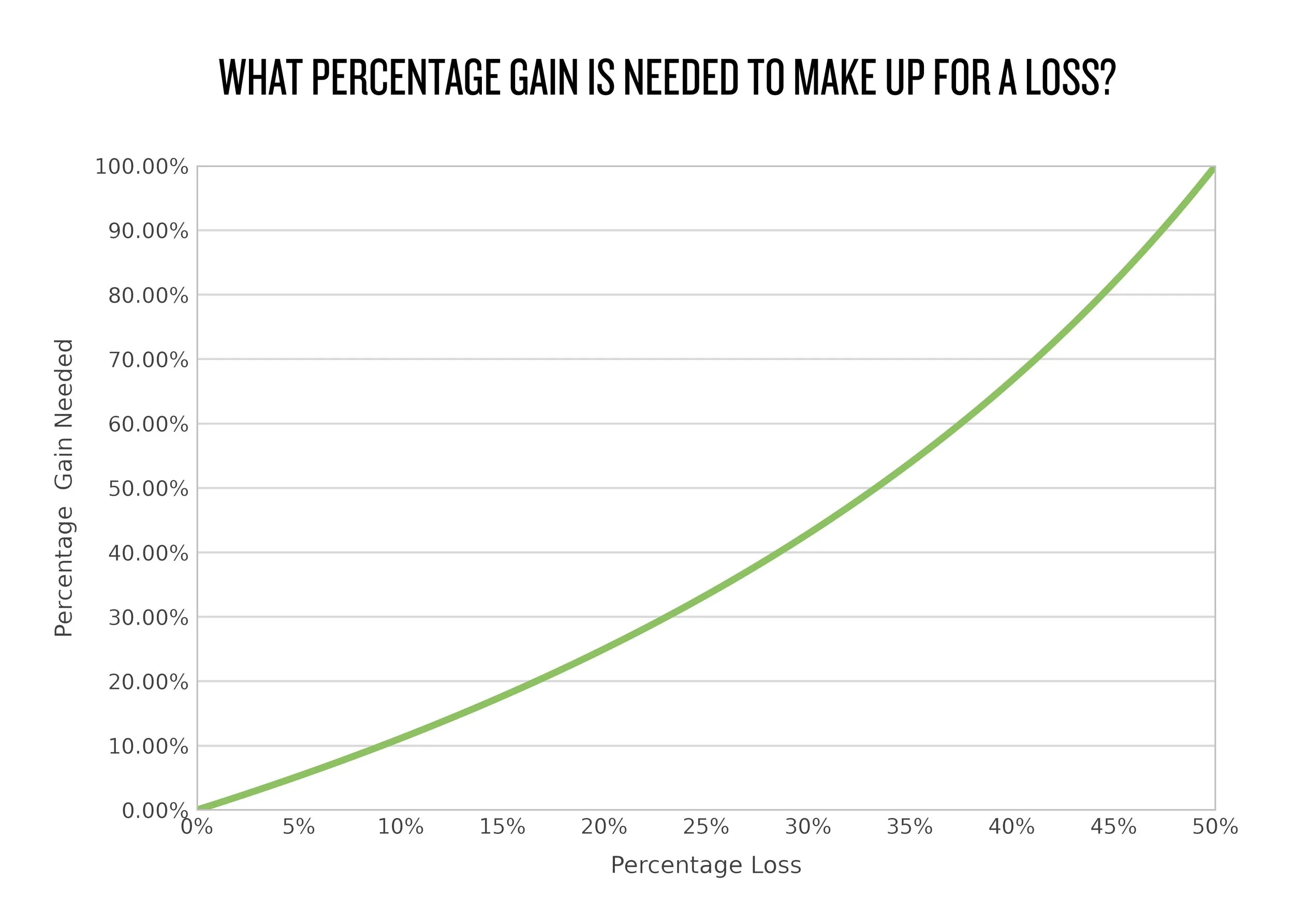
  • Chart: What percentage gain is needed to make up for a loss?


Part 2: The Odyssey Sirens

Part 3: Rip City Update

  • “Tom Dundon using a tired playbook.” Bald Faced Truth by John Canzano, 25 July 2026 [Article]

  • “Trail Blazers, city of Portland finally meet, but distance to arena deal remains ‘significant’.” The Athletic, 30 July 2026 [Article]

  • 4.14.2004: Kobe Bryant Nails the Winning 3 in Double OT [Video]

Part 4: Local Gems

  • Call Ja Morant Hotline [Link]

  • Suttle Lodge Boat House, Deschutes National Forest, Oregon [Link]


Disclosure:
This material is provided for informational and educational purposes only. It should not be construed as investment, legal, or tax advice, nor does it constitute a recommendation or solicitation to buy or sell any security. Investors should consult with a qualified financial professional before making any investment decisions. Rebalancing and asset allocation strategies do not ensure a profit or protect against loss in declining markets. There is no guarantee that any investment strategy will achieve its objectives. Any references to historical performance, academic studies, or research are based on past data and should not be considered indicative of future results. Past performance is not a guarantee of future outcomes. Advisory services offered through Human Investing, an SEC-registered investment adviser.


Related Articles

Hi Ground Episode 3: 2026 Halftime Report: Stock Market, Oregon Real Estate & Risk


Disclosure:
This material is provided for informational and educational purposes only. It should not be construed as investment, legal, or tax advice, nor does it constitute a recommendation or solicitation to buy or sell any security. Investors should consult with a qualified financial professional before making any investment decisions. Rebalancing and asset allocation strategies do not ensure a profit or protect against loss in declining markets. There is no guarantee that any investment strategy will achieve its objectives. Any references to historical performance, academic studies, or research are based on past data and should not be considered indicative of future results. Past performance is not a guarantee of future outcomes. Advisory services offered through Human Investing, an SEC-registered investment adviser.


Related Articles

Hi Ground Episode 2: Why is my paycheck disappearing so fast?


Disclosure:
This material is provided for informational and educational purposes only. It should not be construed as investment, legal, or tax advice, nor does it constitute a recommendation or solicitation to buy or sell any security. Investors should consult with a qualified financial professional before making any investment decisions. Rebalancing and asset allocation strategies do not ensure a profit or protect against loss in declining markets. There is no guarantee that any investment strategy will achieve its objectives. Any references to historical performance, academic studies, or research are based on past data and should not be considered indicative of future results. Past performance is not a guarantee of future outcomes. Advisory services offered through Human Investing, an SEC-registered investment adviser.


Related Articles

Hi Ground Episode 1: Is SpaceX Actually Going To Do Well?


Disclosure:
This material is provided for informational and educational purposes only. It should not be construed as investment, legal, or tax advice, nor does it constitute a recommendation or solicitation to buy or sell any security. Investors should consult with a qualified financial professional before making any investment decisions. Rebalancing and asset allocation strategies do not ensure a profit or protect against loss in declining markets. There is no guarantee that any investment strategy will achieve its objectives. Any references to historical performance, academic studies, or research are based on past data and should not be considered indicative of future results. Past performance is not a guarantee of future outcomes. Advisory services offered through Human Investing, an SEC-registered investment adviser.


Related Articles

The Difference Between Speculating and Planning
 

A week ago, I came across a chart that does a nice job representing the call volume we have been experiencing at Human Investing in 2020. While the amount of calls we receive does not equal the amount of times people search for CNBC, the two data points are certainly correlated.

google-searches-stocks-cnbc-hartford.jpg

The image is titled, “When Markets Fall, We Search”, and ultimately shows that individuals have been more likely to seek out CNBC (market related news) any time the market has fallen over the last 15 years.

I’d argue that you could replace ‘search’ with ‘speculate’ and both the phrase and the chart would remain true, “when markets fall, we speculate”. Given the state of current affairs and the upcoming presidential election, individuals are worrying about their retirement accounts. A growing number of conversations our team has with individuals inside of retirement plans sound something like this:

Caller: “I’m fearful of (X) candidate winning the election because I’m affiliated with (Y) political party (both sides are saying this). Additionally, there is uncertainty around COVID, and I don’t feel comfortable staying invested during these unpredictable times. I’d like you (Human Investing) to help provide me with a more conservative investment recommendation.”

Before I respond with market research, I want to reiterate that you aren’t alone with your concerns and fear. We hear you. At the same time, before making any decisions related to your portfolio, take the time to think through all the angles of your decision. The rest of this post will hopefully provide some anecdotes in your process. Here are few thoughts about what it looks like to plan for the end of 2020 and into 2021. Remember, it is better to plan than to speculate.

The correlation between your Politics and Your Portfolio

Generally speaking, there is low correlation between political parties and the stock market. However, that statement is easy to say and difficult to live out in practice. Tread lightly when reading articles that try to align which stock/sectors to own with the political party that takes office. This article from 2016 couldn’t have been more wrong prognosticating that energy companies (specifically Exxon Mobile) would be top performers for the proceeding four years. It goes without saying this was a massive miss.

stock-and-sector-returns-since-2016.jpg

The bigger influence: Are you a speculator or planner?

If you think like a speculator, you will make rash decisions around your investment accounts and have no plan for re-entering the market if you move your dollars to cash or to a conservative investment.  

If you think like a planner, you will use both quantitative and qualitative measurements to evaluate your decision. For example:

  • If you have a long-term horizon (greater than 15-20 years), political changes should not impact your investment decisions.

  • Irrespective of the political environment, review if your account is too aggressive or too conservative for your financial landscape.

  • Have a clear understanding of both candidate’s tax policies. Changes to the federal tax code should be a factor in your financial planning for the remainder of 2020 and into the future. If you are working with a CPA and/or Financial Advisor, make sure they are staying abreast with any impactful tax code changes.

annualized-asset-class-returns-presidents.jpg

Ditching The Market

Trying to time the market when negative news arises (or the anticipation of negative news) is a dangerous game to play. Luckily, we have a recent case study of how dangerous it can be. From January 1st to March 23rd, the stock market fell 30%. Since then, the market has recovered all losses and then some. If you were thinking like a spectator, it would have been easy to create a narrative around mid-March to pull your money out of the market and wait for greener pastures. If an investor did so, most likely that investor is still waiting for the market to dip and has missed out on the recent recovery as indicated by the second chart.

sp-500-returns-2020.jpg

If you think like a planner when the market is more volatile, sometimes taking some form of action itches a behavioral scratch. Here are some ways to take action while not compromising your account:

  • Raise your contribution in your retirement account to take advantage of a decreasing market (buying more shares at discounted prices).

  • Open a small “fun money” account to track if your predictions are correct.

  • If the market does significantly drop, look at converting pre-tax dollars to ROTH.

The concept of thinking like a speculator vs. thinking like a planner represents the cultural moment we are living in right now.

Speculating = headlines, fast moving social media, and the potential for instant gratification.
Planning = well thought out strategies that take time and often require no action.
As we head into this season of elections and COVID uncertainty, I hope this post provides some perspective on how to approach your portfolio. As always feel free to reach out to our team to talk through your thought process. We are happy to help!


Related Articles

Providing Sound Advice in a World of Robinhood Investing
 

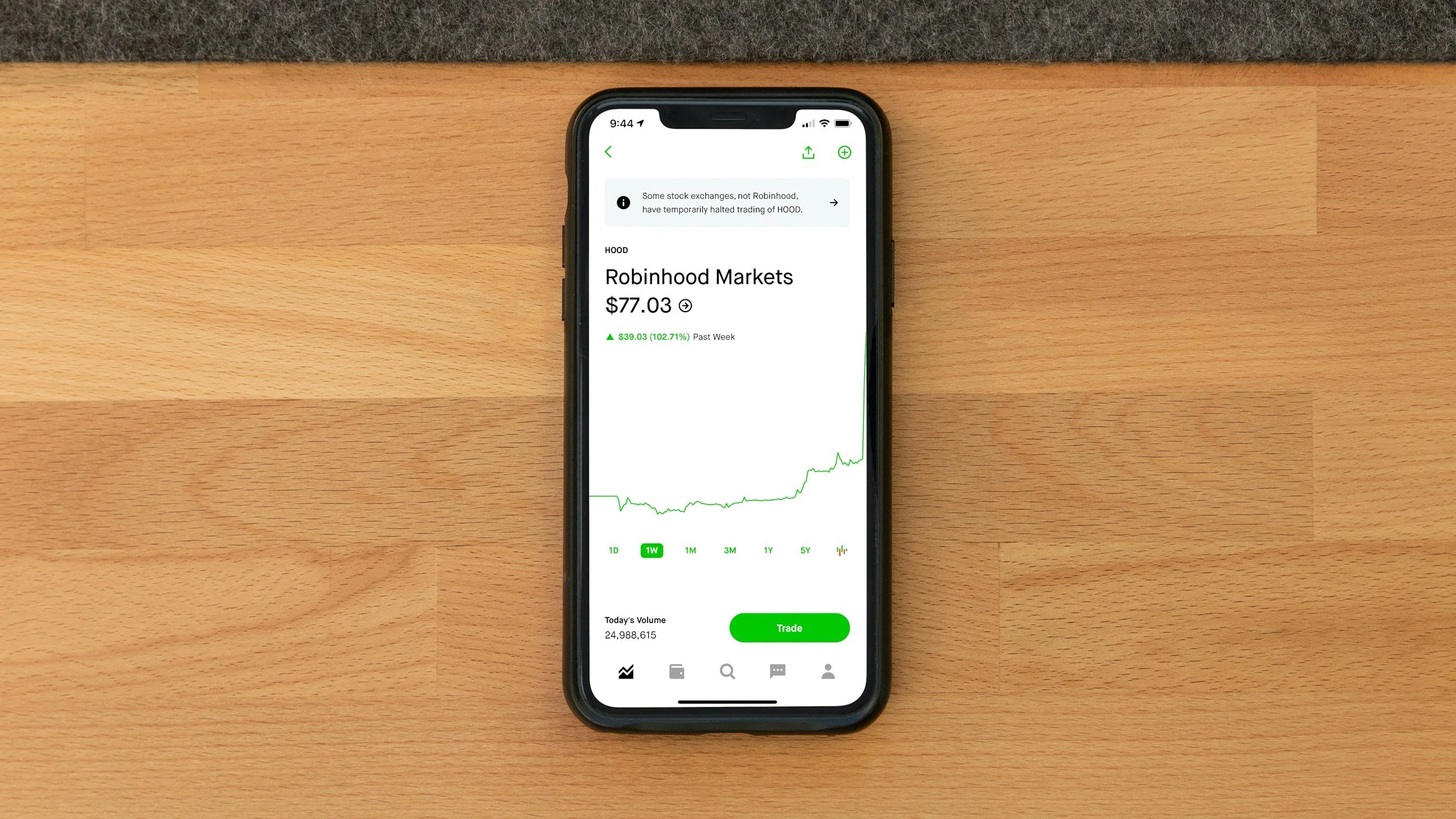
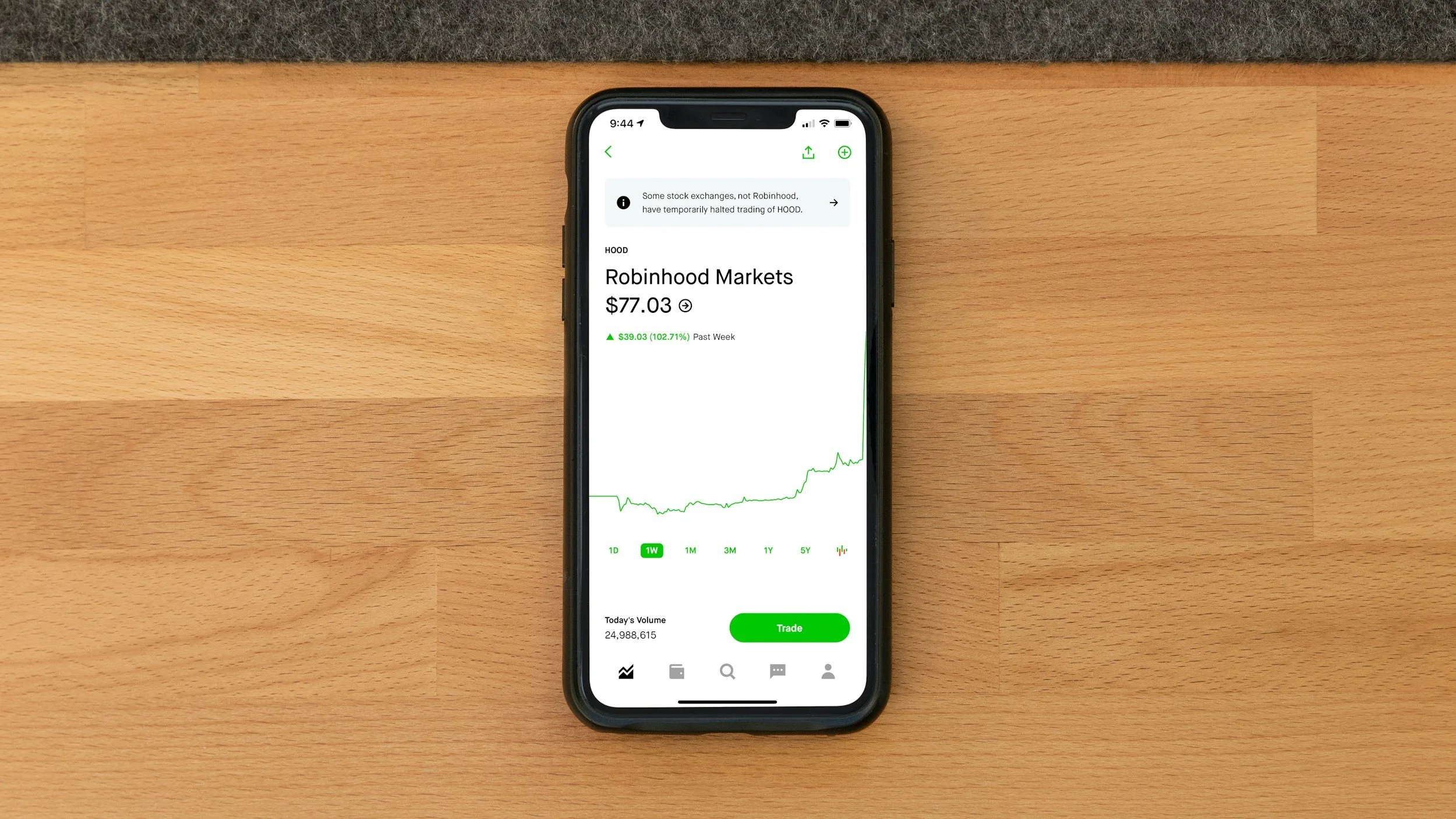
One of the interesting subplots in the finance industry during COVID-19 has been the rise of the day trader. Robinhood, an online brokerage and trading platform, acts as a proxy for many investors who are rapidly opening accounts at other brokerage firms including Charles Schwab, E*T, TD Ameritrade, Fidelity, etc.

Our firm works with thousands of employees via their company-sponsored retirement plans and has had many conversations end with a question/comment along the lines of, “What do you think of this Robinhood thing? Is it worth putting some money in there? Seems like (fill in the blank tech company) is making money! Should I buy some?”. So, I felt compelled to address the question(s) and provide some context around where a speculative trading account fits into a greater financial plan.

THE MAJOR PLAYERS

Source: Piper Sandler

Source: Piper Sandler

E*TRADE: more users opened accounts in the month of March than any full year on record.

Charles Schwab: 1 million new accounts so far in 2020.

Robinhood: 3 million users opened accounts in Q1 2020. For perspective, there have been 13 million accounts opened at Robinhood since its founding in 2013.

The GROWING appeal OF DAY TRADING

The barrier of entry has never been lower to open an account and buy shares of publicly traded companies. Because many individuals are at home, trading is as cheap and accessible as ever, and some firms have incentive offerings (like a free share of stock when you open an account). Pair that with the stock market reaching its low point for the year on March 23rd and having one of its fastest recoveries ever (in other words the last 5 months have been a winning proposition for many investors), and you get to the point where we are today.

YCharts1.png

Today could be a euphoric place for an investor owning stocks since March. To me, euphoria looked like TMZ coming out with a trading subscription service… yikes. Stocks have only gone up, and popular tech companies have led the way. Kudos to those who might have doubled their money on a company like TESLA, but the last 5 months do not paint a realistic picture of what investing looks like over the long haul.

the emotional rollercoaster of Owning single stocks

When talking about owning a single company, I like this example. Owning a company like Amazon over the last 10 years seems like a no brainer (today). If you had invested $10,000 10 years ago, it is worth over $268,000 today. However, when you see that over the last 10 years, an investor would have had to hold through down periods of -25% over 5 times to get to where the stock is today. In other words, the stock was down 25% of its high over 5 times. Holding a company through those periods can be difficult, emotional, and in my opinion, is an objective way of capturing what owning a stock (even one that has performed as well as Amazon) is like.

AMZN_chart (2).png
AMZN_chart (3).png

Investing advice for smarter day trading

Whether you are someone who has already played around, are thinking of dipping your toe in the water, or your ego is already as big as ever because you’ve been a successful trader for the last 5 months, here is some advice on what it looks like to invest in your long-term plan vs. speculating.

Boundaries, Boundaries, Boundaries: If you are going to buy a stock on your own, don’t have it impact your overall investment strategy and long-term plans. What does that mean? Invest a dollar amount that you would feel comfortable taking a 100% loss on.

A positive outcome can mean… many things: Recently the Winklevoss twins (yes those Winklevoss twins) were quoted saying that Elon Musk is going to mine gold on asteroids orbiting the Earth, thus decreasing the value of gold and increasing the value of bitcoin (I promise this isn’t fake). One scenario is that their theory is wrong but in the next 5 years, owning bitcoin could be a profitable trade. In the same light, if you have owned a technology company or a fund that tracks technology companies since March, you have probably made money. Does this make you the next great market predictor? Most likely not. At Human Investing, we have a saying "process over results". So, in these situations, whether or not your account is checking up on your process is equally or more important.

Trading Journal: If you are seriously interested in the market and having a brokerage account, a trading journal is imperative. If you have a prediction, write it down, track it, and review your track record. It’s not a bad idea to do this for a few weeks to test the waters before you open an account.

Small Losses Can Lead to Long-Term Positive Outcomes: Here’s a hypothetical, stay with me. You read this post, you open an E*TRADE account, and deposit $200. You end up buying a few stocks and start following the market. You are following investing influencers on social media, listening to podcasts, and even watching CNBC in the morning. Then life happens. You get a little bored, lose track of your password, reset your password, and lose track again (this version of you doesn’t have LastPass 😊). Six months go by, and you see that your $200 is now $50. As a byproduct of this experience, you realize that you are better off opening up a ROTH IRA at Vanguard contributing $100 a month into an age-based target-date fund because you now care more about retiring comfortably. Your $150 loss on your account made you realize:

  1. You are not interested in picking stocks and it isn’t easy.

  2. You educated yourself about the market, the benefits of a ROTH IRA, and moved the needle on helping yourself retire.

Time will tell if this Robinhood movement is a fad or a long-term trend. Either way, if you have questions, want to grab coffee via zoom and talk markets, or talk longer-term planning, our team is here to be a resource.

Other Articles You Might Enjoy On This Subject

* Inside Story On Robinhood

* WSJ video on Robinhood


Related Articles